
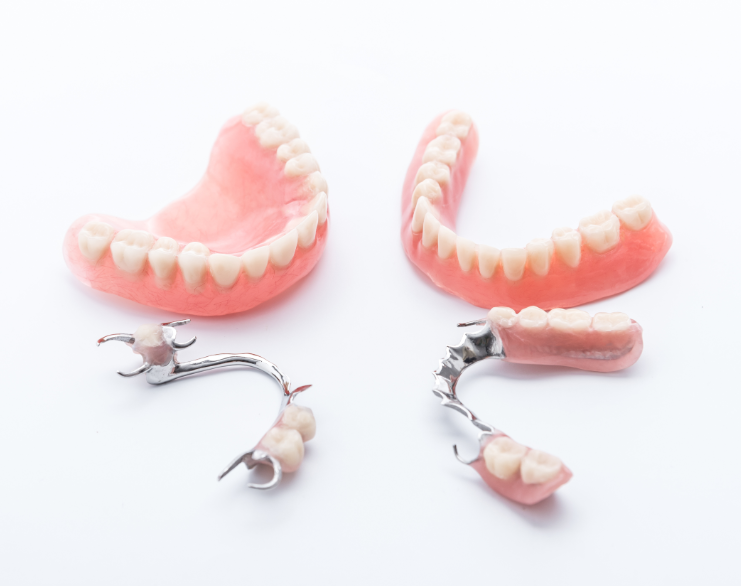
Replacing missing teeth can make a big difference in your ability to eat, speak, and feel confident. For many people, dentures provide an important way to restore those everyday functions. But you may have heard that wearing dentures can affect nutrition, too. Is there really a connection?
The answer is a little more complicated than simply saying that dentures cause poor nutrition. Research suggests that people with dentures can experience differences in chewing and eating function, but replacing missing teeth with dentures can also support nutrition compared with going without tooth replacement.
How Tooth Loss Can Affect Eating
Natural teeth are remarkably effective at breaking food into smaller pieces. When teeth are missing, chewing can become more difficult, particularly when multiple teeth or all of the back teeth are gone.
Dentures can restore some of this lost function, but they don’t necessarily provide the same chewing efficiency as natural teeth. A systematic review found that objective measures of eating function were compromised in many full and partial denture wearers compared with people with natural teeth.
As a result, some denture wearers may find certain foods difficult or uncomfortable to chew. They might gravitate toward softer foods and avoid foods that require more chewing, potentially limiting the variety of foods in their diet.
Dentures Can Still Support Better Nutrition
This doesn’t mean dentures are bad for your nutrition. In fact, the research shows that replacing missing teeth can have nutritional benefits compared with leaving tooth loss untreated. A review of studies found that wearing full or partial dentures generally had a positive effect on nutritional status compared with having no dentures.
The key is making sure your dentures fit properly and function comfortably. Ill-fitting or uncomfortable dentures may make eating more challenging and can discourage you from choosing certain foods.
Could Implant-Supported Dentures Help?
If traditional dentures feel loose or you have difficulty chewing, implant-supported dentures may be another option to discuss with your dentist. These dentures are anchored to dental implants, providing additional stability compared with conventional removable dentures.
Research suggests implant-supported prostheses can significantly improve masticatory function compared with conventional removable dentures. Another systematic review found that implant-supported rehabilitation generally improves chewing efficiency and patient satisfaction, although changes in nutritional intake and nutritional biomarkers have been inconsistent.
In other words, improved chewing doesn’t automatically guarantee better nutrition. Your food choices, overall health, and other lifestyle factors still matter.
Talk With Your Dentist About Your Options
If you wear dentures and regularly struggle to chew, avoid certain foods, or feel that your dentures aren’t stable, bring it up at your next dental appointment. Your dentist can evaluate the fit and condition of your dentures and discuss whether adjustments, replacement dentures, or an implant-supported option could improve your comfort and function.
You don’t have to accept difficulty eating as an unavoidable part of wearing dentures.
With the right tooth-replacement solution and a balanced diet, you can work toward maintaining both a comfortable smile and the nutrition your body needs.
About the Practice
Dr. Ruiz & Associates, Inc. is a Burbank dental practice founded by Dr. Jose-Luis Ruiz, DDS, FAGD, with Dr. David Lee also part of the dental team. With more than 25 years of experience serving the community, the practice focuses on comfortable, conservative dentistry designed to preserve as much natural tooth structure as possible. The team provides comprehensive care, including solutions for missing teeth such as dental implants and implant-supported restorations, while emphasizing personalized treatment and a comfortable patient experience.
Call us at (818) 558-4332 or schedule your appointment online