
TMJ Treatment Burbank
Say Goodbye to Chronic Jaw Pain

Inflammation in and around the jaw joints can cause intense pain that makes it difficult to function day to day. Without proper treatment, it can make eating, speaking, and other common facial movements painful and nearly impossible. Our team at Dr. Ruiz & Associates, Inc. wants to help dental patients suffering from temporomandibular joint disorder (TMD) by offering safe and effective solutions. We’ll evaluate your facial and oral structures to determine the right method(s) of treatment so you can enjoy a better quality of life. Give us a call today if you need TMJ treatment in Burbank.
Why Choose Dr. Ruiz & Associates, Inc. for TMJ Treatment?
- Advanced Diagnostic Cone Beam CT Imaging for Precise Diagnoses
- Dentists with Over 30 Years of Cumulative Experience
- A Minimally Invasive, More Comfortable Approach to Dentistry
What is TMJ Disorder?
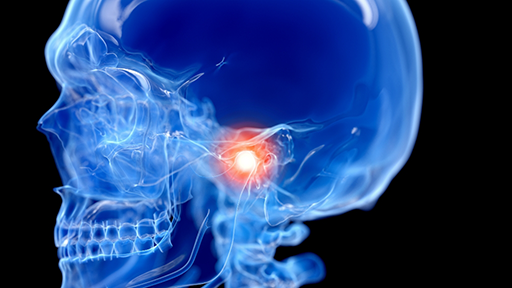
The TMJ is the temporomandibular joint that connects the lower jaw to the rest of the head. The term “TMJ” is often used to refer to TMJ disorder, also called TMD, which occurs when the jaw joint becomes stressed, injured, or misaligned. TMJ disorder may result due to several different factors, such as stress, bruxism (teeth grinding and clenching), arthritis in the TMJ, or trauma and injury to the head, neck, or jaw.
Symptoms of TMJ Disorder

TMJ disorder can be a very painful condition, and it can easily grow worse if it isn’t promptly treated by a professional. As such, it’s important to keep an eye out for the warning signs that may indicate that there’s a problem with your jaw joints. Common symptoms of TMJ disorder include:
- Frequent jaw or facial pain.
- Having trouble opening your mouth all the way.
- Occasional locking of the jaw.
- Discomfort that occurs whenever you bite or chew.
- Headaches, earaches, and pain in the neck or shoulders.
- Hearing a grinding or clicking sound when moving your mouth.
Types of TMJ Treatment

The exact cause of TMJ disorder can vary from patient to patient. As such, the form of treatment we recommend in your case will depend on the specifics of your situation. Below is a closer look at the different forms of TMJ treatment that are available at our practice.
Equilibration/Occlusal Adjustments

If your bite is misaligned, we can implement an occlusal adjustment by identifying where your teeth do not align properly. Using advanced techniques, we can file the biting surface so that the teeth fit together more correctly. This takes additional pressure off your jaw and creates a more harmonious function.
Occlusal Splints
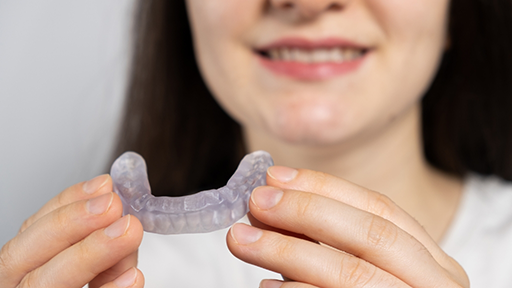
Our team can create an occlusal splint for your smile based on impressions of your mouth. Wearing a splint while sleeping helps your jaw muscles and joints become more relaxed, allowing them to rest in a more appropriate position. Over time, the jaw will become accustomed to its new location, creating a more pleasing experience.
TMJ Treatment FAQs
Can TMJ Disorder Be Cured Permanently?
Discomfort associated with TMJ dysfunction can sometimes go away on its own over time. However, if your symptoms are beginning to impact your everyday life, you should visit a professional for help. Occlusal splints and equilibration are intended to permanently address jaw tension, misalignment, and other underlying causes of TMD.
How Long Does It Take for an Occlusal Splint to Work?
Occlusal splints for TMD are worn to bed every night. You may notice that your symptoms start to subside quickly, but this won’t happen all at once. It takes some time for your TMJs and the areas around your jaws to adjust to their new positions. After six weeks, most patients experience marked improvement but not complete relief. It usually takes between three and six months for discomfort to be resolved. Just keep in mind that everyone is different, so you may see relief in a shorter or longer time than the average.
Can TMD Be Treated Without Surgery?
Yes! In fact, the National Institutes of Health recommends using the most conservative methods possible for treating TMJ dysfunction. Less is more in many cases. Surgery involves making permanent changes to the jaw and nearby anatomy, so it is only ever suggested as a last resort. In addition to at-home methods, like stress relief, TMD can be alleviated with occlusal splints and equilibration.
How Long Does Occlusal Adjustment Take for TMJ?
The length of the occlusal adjustment process can vary from patient to patient. Oftentimes, our team can make the required changes to your teeth in just one appointment. But for more complex cases, as many as four visits could be necessary. A single occlusal adjustment appointment typically takes around 30 to 60 minutes.
Once the necessary adjustments are complete, it likely won’t be long before you notice an improvement in your TMJ symptoms. However, it may be a matter of months before you’re able to enjoy full relief.
Is TMJ Treatment Covered by Insurance?
Not all insurance companies handle TMJ treatment the same. Some plans may only help pay for specific types of care meant to address TMJ disorder; others may not cover such services at all unless the state requires them to. Before committing to any sort of treatment, you should double-check your insurance plan and make sure that you understand your coverage. Remember, TMJ treatment can fall under either medical or dental insurance depending on the circumstances.