
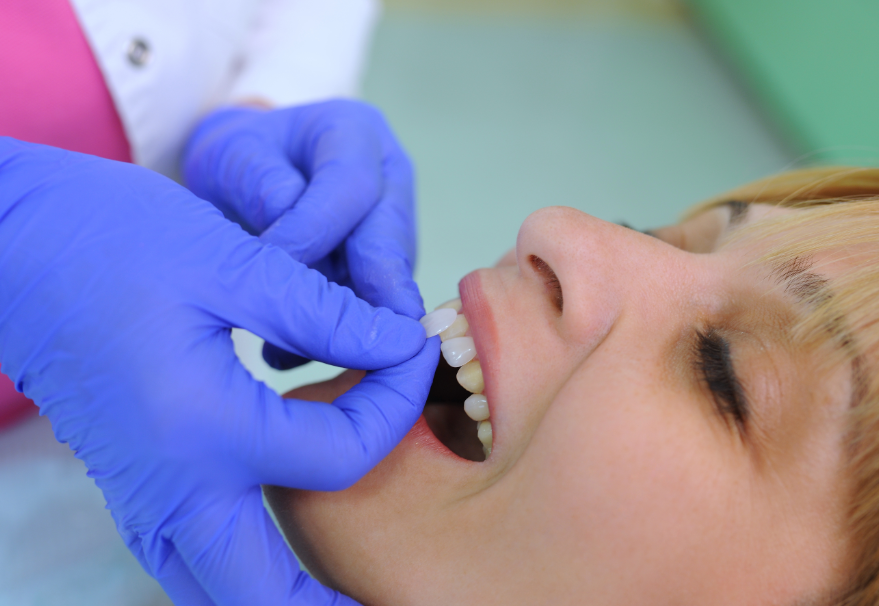
Porcelain veneers are one of the most popular cosmetic dentistry treatments for improving the appearance of your smile. They can correct concerns like discoloration, chips, small gaps, and uneven teeth. However, because veneers require removing a very thin layer of enamel from the front of the teeth, some patients worry about whether the procedure will lead to tooth sensitivity.
The good news is that while mild sensitivity can happen in some cases, it’s usually temporary and manageable. Understanding why sensitivity occurs and how dentists minimize it can help you feel more confident about the process.
Why a Small Amount of Enamel Is Removed
Before veneers are placed, the dentist typically removes a very small layer of enamel from the front surface of the tooth. This step is necessary to make room for the veneer so it can sit naturally and blend with the surrounding teeth.
The amount of enamel removed is minimal—often less than a millimeter. This preparation helps ensure that the veneers look natural, fit comfortably, and do not make the teeth appear bulky.
Because enamel helps protect the inner layers of the tooth, removing a thin layer can sometimes make teeth temporarily more sensitive to temperature changes or pressure.
Is Sensitivity After Veneers Common?
Some patients experience mild tooth sensitivity during the veneer process, particularly between the preparation appointment and the final placement of the veneers. At this stage, temporary veneers are often placed to protect the teeth while the permanent ones are being crafted. During this time, teeth may feel slightly sensitive to hot or cold foods and beverages.
Once the permanent veneers are bonded in place, most patients notice that the sensitivity fades or disappears entirely. The veneers themselves act as a protective covering for the prepared tooth.
What Veneers Feel Like After Placement
After the final veneers are bonded to your teeth, they typically feel smooth, comfortable, and very similar to natural teeth. The porcelain material used for veneers is strong and designed to withstand everyday chewing and biting.
Because the veneers cover the front of the tooth, they also help shield the prepared surface. As a result, many patients find that their teeth feel normal again shortly after treatment is completed.
If sensitivity does occur, it is usually mild and temporary.
How Dentists Help Minimize Sensitivity
Dentists take several steps during the veneer process to reduce the risk of discomfort. Careful planning and precise enamel removal help ensure that only the necessary amount of tooth structure is adjusted.
Temporary veneers are placed to protect teeth between appointments, and bonding materials used during final placement help seal the tooth surface.
In addition, your dentist may recommend using toothpaste designed for sensitive teeth if you experience temporary sensitivity during the treatment process.
When to Talk to Your Dentist
Although mild sensitivity after veneer preparation can be normal, significant or long-lasting discomfort is uncommon. If sensitivity persists or feels severe, it’s important to let your dentist know.
They can evaluate the area, check the fit of the veneers, and make sure everything is functioning properly.
For most patients, veneers provide long-lasting cosmetic improvements without ongoing sensitivity. With proper planning and care, veneers can enhance your smile while keeping your teeth comfortable and healthy.
About the Practice
At Ruiz & Associates Dental in Burbank, our dental team focuses on providing personalized, high-quality dental care designed to help patients feel confident in their smiles. Dr. Jose Luis-Ruiz and Dr. Marie Kim provide a full range of services, including preventive, restorative, and cosmetic dentistry treatments such as porcelain veneers. Using modern techniques and a patient-centered approach, we work closely with each patient to create treatment plans that support both oral health and aesthetic goals.
Call us at (818) 558-4332 or schedule your appointment online.